
Comprehensive Guide to Fire Stopping Materials
October 8, 2023
An overview of fire stopping systems and the documentation required for building sign-off.
Fire Stopping Materials Explained
Choosing the Right Solutions for Effective Passive Fire Protection
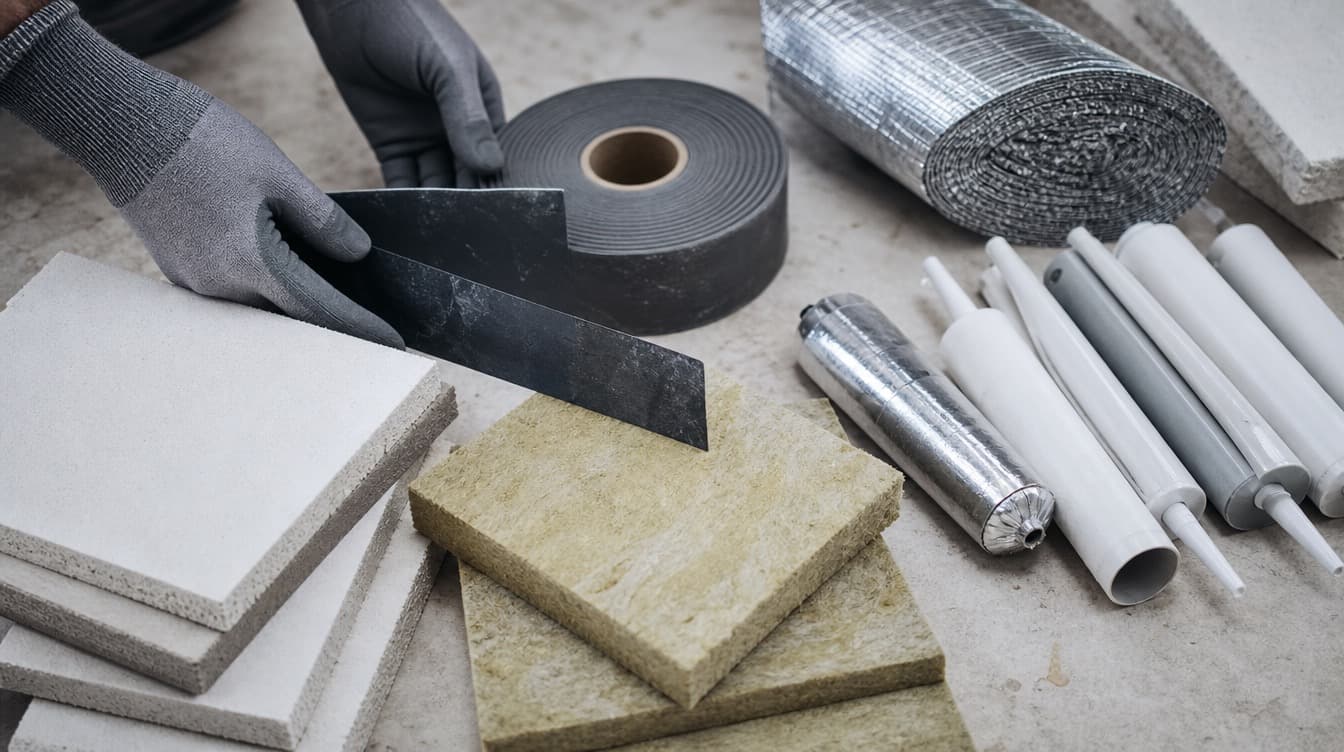
Fire stopping materials play a critical role in passive fire protection. They are designed to restore the fire resistance of walls, floors and compartments that are penetrated by services such as pipes, cables and ducts.
Understanding the different types of fire stopping materials, their properties and correct applications is essential for achieving compliant, effective fire protection. Incorrect selection or installation can seriously compromise a building’s fire strategy.
What Is Fire Stopping?
Fire stopping refers to the materials and systems used to seal gaps, joints and service penetrations in fire-resisting elements. Their purpose is to:
Prevent the spread of fire and smoke
Maintain compartmentation
Protect escape routes
Buy critical time for evacuation and firefighting
Fire stopping systems must be tested, approved and installed in accordance with manufacturer guidance and relevant standards.
Key Types of Fire Stopping Materials
There is no single solution for every scenario. Effective fire stopping relies on selecting the correct material for the specific penetration, substrate and fire performance requirement.
Below are some of the most commonly used fire stopping materials.
Fire Stopping Sealants
Fire stopping sealants are flexible or semi-flexible materials used to seal linear gaps and small service penetrations.
Properties and benefits:
Accommodate movement and vibration
Provide both fire and smoke resistance
Suitable for a wide range of substrates
Typical applications include:
Small cable and pipe penetrations
Movement joints
Gaps around frames and services
Sealants must be installed to the correct depth and backing specification to achieve their tested fire rating.
Fire-Rated Boards
Fire-rated boards are rigid systems used to reinstate fire resistance where larger openings or service clusters exist.
Properties and benefits:
High fire resistance performance
Strong and durable once installed
Suitable for complex or high-risk areas
Typical applications include:
Large service penetrations
Risers and plant rooms
Shaft walls and compartment boundaries
Boards are usually combined with sealants or collars to form a complete, tested system.
Intumescent Strips and Products
Intumescent materials expand when exposed to heat, sealing openings created by combustible elements during a fire.
Properties and benefits:
Expand rapidly under fire conditions
React to heat rather than relying on rigidity
Essential for combustible penetrations
Typical applications include:
Plastic pipe penetrations
Fire doors and frames
Linear gaps where movement is expected
Correct positioning and fixing are critical to ensure effective expansion during a fire.
How to Choose the Right Fire Stopping Material
Selecting the correct fire stopping solution depends on several factors:
Type and size of penetration
Fire resistance rating required
Substrate material (wall, floor, ceiling type)
Presence of combustible services
Environmental conditions and movement
Crucially, fire stopping should always be installed as part of a tested system rather than as isolated products.
Common Fire Stopping Mistakes to Avoid
Even high-quality materials can fail if poorly specified or installed. Common issues include:
Mixing products outside of tested systems
Inadequate sealant depth or backing
Poor surface preparation
Damage caused by later service installations
These defects are frequently identified during fire safety audits and inspections.
The Importance of Inspection and Documentation
Fire stopping is typically concealed, making inspection and record-keeping essential.
Best practice includes:
Photographic evidence before and after installation
Clear location referencing
Product and system traceability
Ongoing inspection following building alterations
This supports compliance, accountability and long-term fire safety management.
How DefendX Approaches Fire Stopping Materials
At DefendX, fire stopping is delivered as a complete, system-led solution rather than a product-led exercise.
Our approach includes:
Correct specification based on tested systems
Competent installation by trained operatives
Photo-rich digital records for every penetration
Clear identification of materials and fire ratings
This ensures fire stopping materials perform as intended and remain verifiable throughout the building lifecycle.
Conclusion
Understanding fire stopping materials is essential for effective passive fire protection. From sealants and fire-rated boards to intumescent products, each material has a specific role and application.
When correctly specified, installed and documented, fire stopping materials provide robust protection, maintain compartmentation and support compliance with modern fire safety regulations.
DefendX – Protecting what you build through expertly delivered, evidence-led passive fire protection.